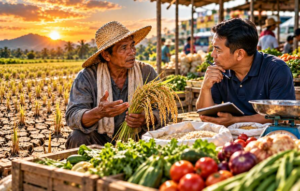

Image source: Pexels.com
Agritechph.com | On Biodiversity Day CropLife Asia highlights how plant science is “part of the solution.” | (ACN Newswire) – SINGAPORE, May 21, 2021 – CropLife Asia and its members are commemorating this year’s International Day for Biological Development (or Biodiversity Day) by highlighting the importance of a biologically diverse world in ensuring our sustainable future and highlighting how the plant science industry is increasingly ‘part of the solution’ in promoting biodiversity.
Climate change, deforestation, and human activities are the three biggest threats to biodiversity right now. This is particularly alarming because biodiversity is essential for agricultural systems and food production. Plant science breakthroughs may be able to help mitigate some of these threats to biodiversity.
“Food security and biodiversity conservation are not mutually exclusive priorities, and we can’t afford to fail at either,” said Dr. Siang Hee Tan, Executive Director of CropLife Asia. “Food productivity in Asia must keep up with population growth in the region and globally to ensure an abundant supply of healthy and nutritious food. Simultaneously, the long-term viability of our food-production activities is vital for biodiversity conservation and restoration. Plant science advancements like biotech seeds and crop protection technologies, when used safely, help our farmers feed the planet while still promoting a stable, biodiverse plant – but they’re only part of the bigger picture. The plant science industry is committed to working with all stakeholders in the food value chain to preserve the rich biodiversity on which we all depend.”
Biotechnology and crop protection products help to minimize the need for natural ecosystems to be converted to farmland. Between 1996 and 2018, biotechnology productivity saved 231 million hectares of land from plowing and cultivation[1]. When crop protection products like pesticides are used to manage invading plants or insects that threaten native species, forests and other natural ecosystems may flourish as well. Biotech crops combined with herbicides also allow for conservation tillage, in which the soil is left undisturbed, enabling natural biodiversity to thrive. Crop nutrition and soil health are dependent on the combined biological activity of the billions of species in the soil. Conservation tillage increases habitat and food supplies for insects, birds, and other animals by leaving crop stubble in the field. Biotech crops also aid in the effective use of water by plants. In the United States, genetically modified cotton has contributed to a 50% reduction in water use over the last 20 years, leaving more water for nature.
IPM, or Integrated Pest Management, is a pest-management system that is designed to be sustainable, protect biodiversity, and aid in the development of wildlife ecosystems around farms.
Farmers can not only produce more on existing farmed land but also reduce the need to expand into more biodiverse areas, preserving these lands for future generations, by combining plant science advances and IPM.